Mental Machismo
An analysis of machismo and its effects on mental health
The mental health of many Latinxs today is influenced by the culture of machismo and marianismo in our communities. What are they? Who are they affecting? And what can we do?
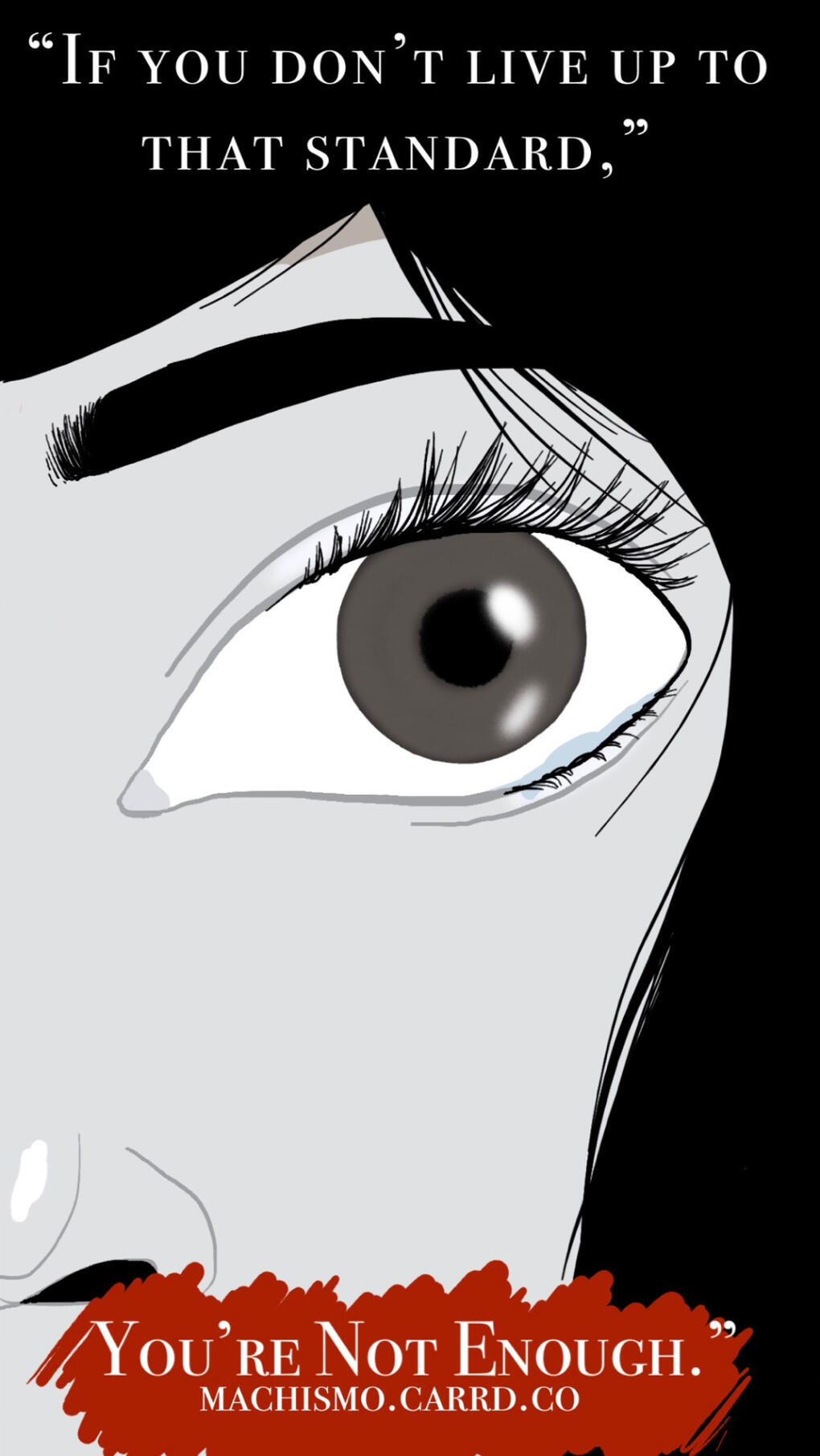

What is Machismo? What is Marianismo?
Machismo is what you see when a man holds his tears back when attending the funeral of a close friend with his family in tow. It's "suck it up," and "boys don't cry." It's dislocating bones, getting injured and not waiting for someone to help. It's heartbreak that is never spoken of and taking on the role of being the foundation of any household without being asked to.
Marianismo is a woman biting her tongue during Sunday service as the pastor preaches about subservience and child-rearing. It's the student afraid to speak her mind. It's a voice being mistaken for teenage rebellion. It's her husband speaking to the server, the bank teller, and the retail associate. It's consulting your husband before making even the smallest of decisions. It's thinking every family has a hierarchy, and you're at the bottom.
Both of these concepts present themselves daily, and may have been woven into the fabric of our upbringings as children or experiences in the adult world. As Latinxs, these practices are engraved into our family trees, entire lineages have adopted these ways, and some will never change. Is this affecting our mental health? Why would it?
Who does this affect?
A son experiencing heartbreak for the first time.
The mother that stares at her son's new girlfriend, and judges her after she doesn't serve his plate.
Machismo and Marianismo affect aspects of daily life that seem small and unimportant, but ultimately have a lasting impact. It affects everyone. And according to research performed by multiple institutions, the Latinx community is no different.
It was reported that the latinx community expressed a greater range of negative emotions (ranging from anger issues, depression, anxiety, and even suicidal ideation) with the expression of machismo and marianismo in home settings. But that's not all.

So, what's happening?
According to the CDC:
Suicide is the 3rd leading cause of death for latinx individuals between the ages of 10-24 years of age.According to data obtained from 1997-2001, 85% of these suicides were male.
In addition to suicide rates increasing, the overall lack of resources for individuals to obtain services for depression and anxiety is daunting. Many report the reason for being unable to access care is language barriers, and feeling the need to suppress these issues to appease family and friends.
Well, how can we help?
Talk.
Break stigmas.
Don't let the old saying of "men don't cry" continue to be the reality that many live through.
It's important that we allow ourselves to talk about these issues. It's important that we're able to openly communicate and seek out information in regards to treatment amongst our family and friends.
Finally, don't let individuals go through this alone. If you see someone struggling, reach out to them. If there's a language barrier, offer to help. Offer to be that translator or offer to help find someone who speaks the language they need.
Below are some mental health resources. If you're experiencing an emergency, please dial 911.
National Suicide Hotline: 1-800-273-8255
Therapy for Latinx, a database of Latinx therapists for Latinx: therapyforlatinx.com
Crisis Text Line: Text HOME to 741741 in the U.S.